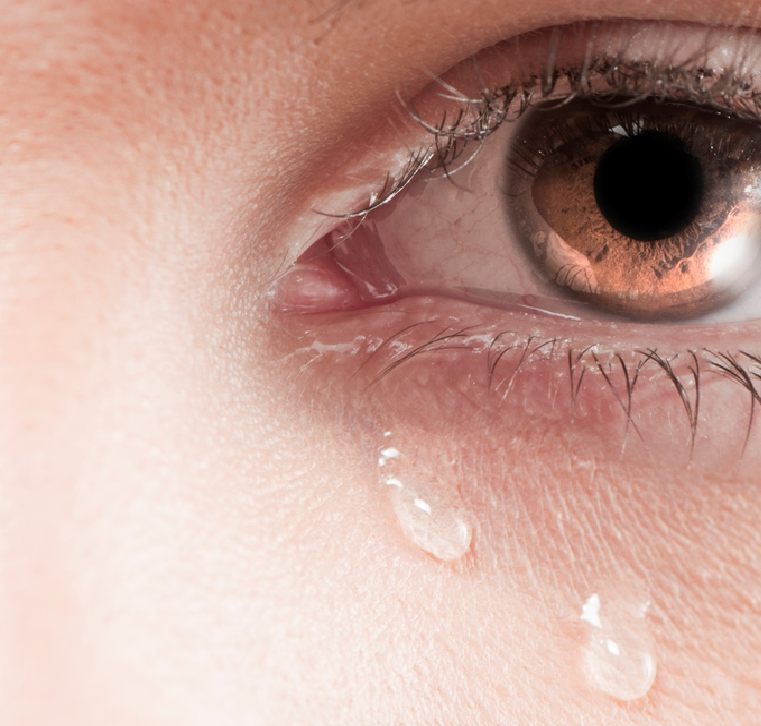
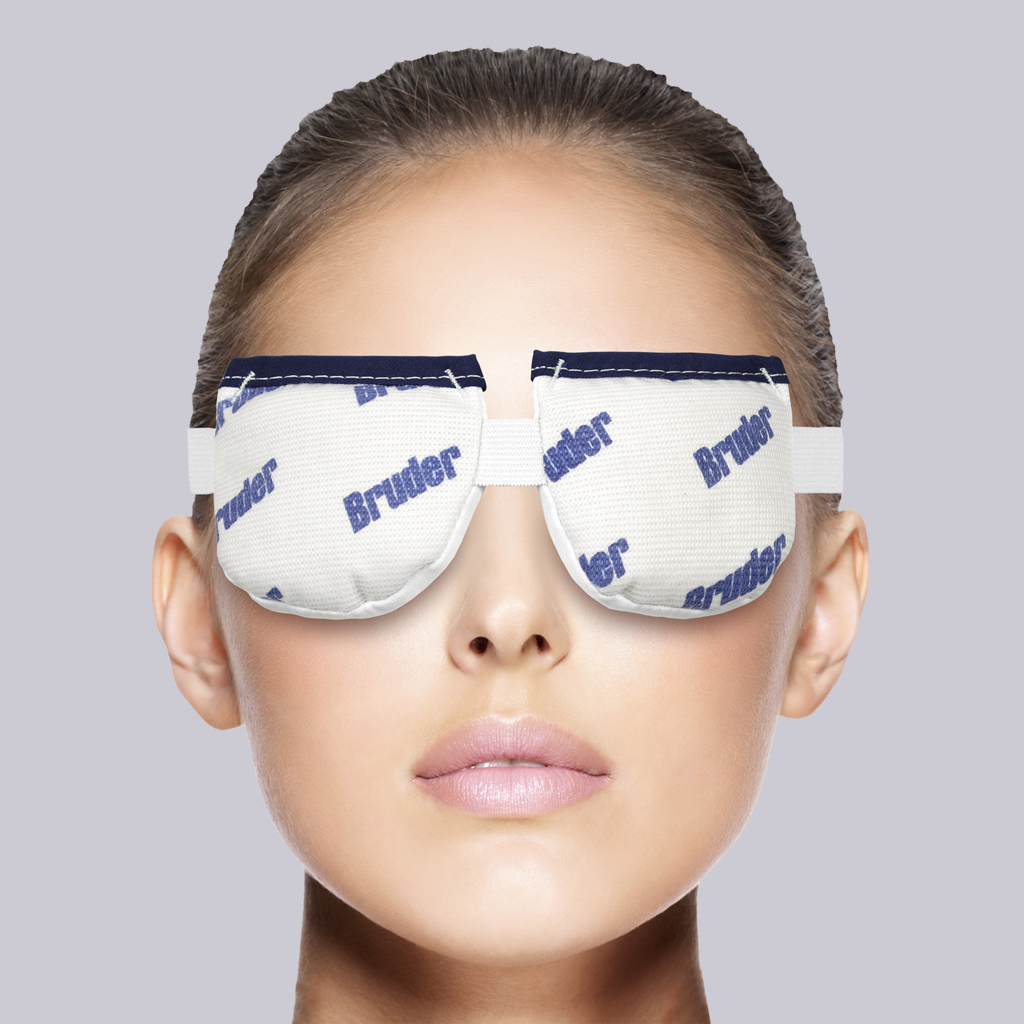
Get Dry Eye Remedy With “The Dry Eye Handbook”
Learn how to significantly reduce OR remove your dry eye symptoms in just a few steps
Click below for more info
<< Dry Eye Treatment>>
Get more dry eye information below
What Is Dry Eye Disease?
If you regularly experience dry, itchy eyes or your eyes become painful or tired while reading or working at a computer, you need to sit up and take notice. These symptoms could indicate Dry Eye Syndrome — a condition that can lead to permanent eye damage if left untreated.
Dry Eye Syndrome occurs when the eyes do not regularly have enough moisture and they become irritated. When there aren’t enough tears in your eyes or there is an imbalance in the components of your tears, irritation can occur. If left untreated long term, complications may arise, including increased frequency of eye infections and scarring on the surface of your eyes, which can ultimately lead to vision problems.
How To Identify Dry Eye Syndrome
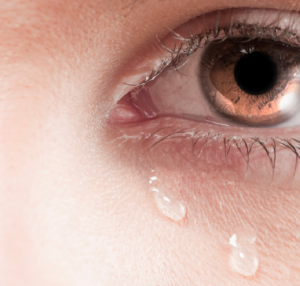
Generally, if you experience dry, irritated or itchy eyes on a frequent basis, it is likely you suffer from at least a mild form of Dry Eye Syndrome. More severe cases of Dry Eye Syndrome can include stinging, burning or scratchiness in your eyes, a tendency to produce an excessive amount of tears, high sensitivity to light, and sometimes blurred vision — especially toward the end of the day. Some people also experience stringy mucus developing in or around the eyes.
People who suffer from Dry Eye Syndrome also tend to experience eye fatigue after periods of reading or working at the computer and have difficulty wearing contact lenses. Symptoms often worsen when exposed to dry air, wind or smoke and improve in humid weather or moist air.
Causes Of Dry Eye
Inadequate lubrication can occur either because your eyes do not produce enough tears or the tears are evaporating too quickly. A shortage of tear production is a medical condition called keratoconjunctivitis sicca and can have a number of causes. These include age, menopause, tear gland damage, and use of some medications. Antihistamines, decongestants and pain relievers like ibuprofen and naproxen (Aleve) are common over-the-counter medications that may cause Dry Eye Syndrome.
Tear evaporation is usually caused by environmental factors, like wind, dust, and smoke. Because blinking helps spread tears across the eyes, activities involving prolonged periods without blinking, like reading or computer work, also dry out the eyes. Eyelid inflammation can also lead to Dry Eye Syndrome.
The following risk factors increase your likelihood of experiencing dry eyes:
- Increasing age
- Being female
- Certain medications (as discussed above)
- Laser eye surgery, like LASIK
- Radiation therapy aimed at the eyes, including radiation therapy for cancer
- Deficiency of vitamin A
- Deficiency of Omega-3 fatty acids
How To Cure Dry Eye
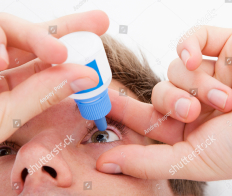
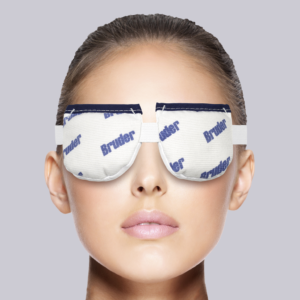
Most cases of Dry Eye Syndrome can be remedied by using artificial tears, which come as over-the-counter eye drops, combined with changing your environment or habits. For example, placing your computer screen below eye level reduces the amount you have to open your eyes and subsequently slows evaporation of tears. Taking frequent breaks from reading or computer tasks to deliberately blink your eyes can also help. Using air purifiers and humidifiers to clean and moisten the air around you can also reduce eye dryness. Don’t aim fans or blowers directly at your eyes. Outdoors, it’s a good idea to wear wrap-around style sunglasses to keep wind, dust, smoke and heat away from your eyes.
If you decide to try eye drops, be sure to get the lubricating artificial tears type and not the formulas for reducing redness in the eyes. The later, like Visine, can only be used four times a day, don’t really lubricate your eyes and can be addictive. Artificial tears eye drops can be used whenever needed without damage to your eyes in most cases.
For more serious conditions of Dry Eye Syndrome, your doctor may prescribe medication to control inflammation or eye inserts that dissolve slowly and release a lubricating substance. You doctor may also recommend closing your tear ducts, either by using plugs that can be removed or through a procedure that closes them permanently, to slow drying of your tears. Bandage lenses or corneal shields are contact lenses that protect the surface of the eye and trap moisture.
Increasing your intake of Vitamin A and Omega-3 fatty acids may also be beneficial. Vitamin A can be found in foods like carrots, broccoli and liver. Increase Omega-3 fatty acids by eating foods like fish, nuts and vegetable oils.
If you would like to learn more about dry eye treatment then The Dry Eye Handbook is a must read. Click below for further information.
A whole 15 areas of dry eye treatment will be presented in The Dry Eye Handbook
The Dry Eye Handbook is based on extensive independent research over a 10 year period. The publication is ideally suited for dry eye treatment help in cases of mild to severe dry eye.
The Dry Eye Handbook has helped hundreds of dry eye sufferers to date, and is not only appreciated by end users. It has also been purchased by organisations and ophthalmologists.

Click below for more info
<< Dry Eye Treatment>>